In the digital age, understanding your audience and optimizing your website is crucial for success. Web analytics tools are vital for collecting and analyzing data about your website’s performance, user behavior, and much more. These tools can help businesses make data-driven decisions, boost conversion rates, and improve overall web strategies. One great resource to explore these tools is web analytics tools accs-net.com, which offers insights into various analytics solutions available today.
Understanding Web Analytics Tools
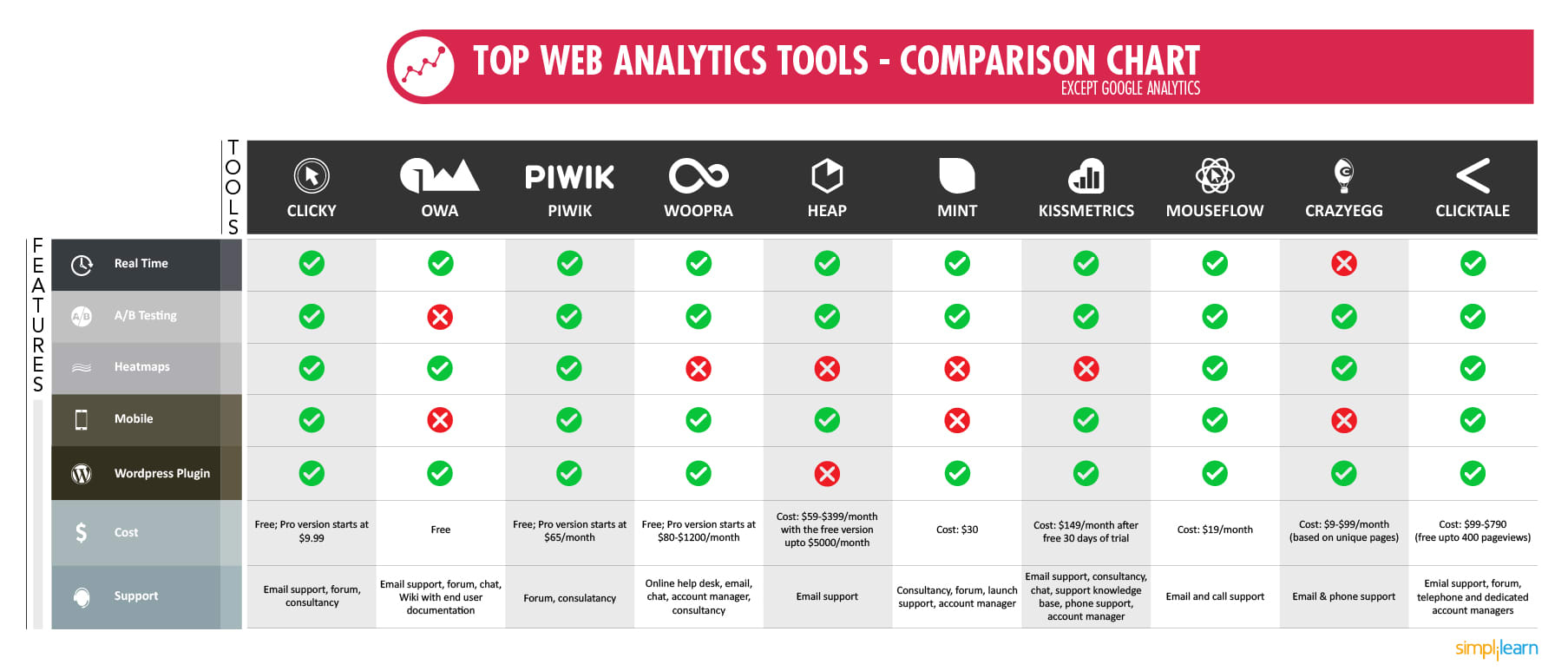
Web analytics tools are applications that help website owners track and analyze data related to their site. By offering insights into user behavior, these tools can help businesses measure the effectiveness of marketing campaigns, monitor traffic sources, and identify trends. The data collected can be used to improve user experience, optimize content, and ultimately drive conversions.
Key Features of Web Analytics Tools
When selecting a web analytics tool, it’s essential to consider the features that align with your business goals. Here are some key features to look for:
- Traffic Tracking: Monitor the number of visits to your site, where the visitors are coming from, and track your most popular pages.
- User Behavior Analysis: Understand how users navigate your website, which can help identify pain points or areas for improvement.
- Conversion Tracking: Set up goals and track conversions to measure the success of your sales funnel.
- Segmentation: Analyze data by segmenting users based on demographics, behavior, or traffic sources, allowing for targeted marketing efforts.
- Real-Time Data: Access real-time data updates to see immediate effects of changes and campaigns.
Popular Web Analytics Tools
There are numerous web analytics tools available, each with its own strengths and weaknesses. Here are some popular choices among businesses:
1. Google Analytics
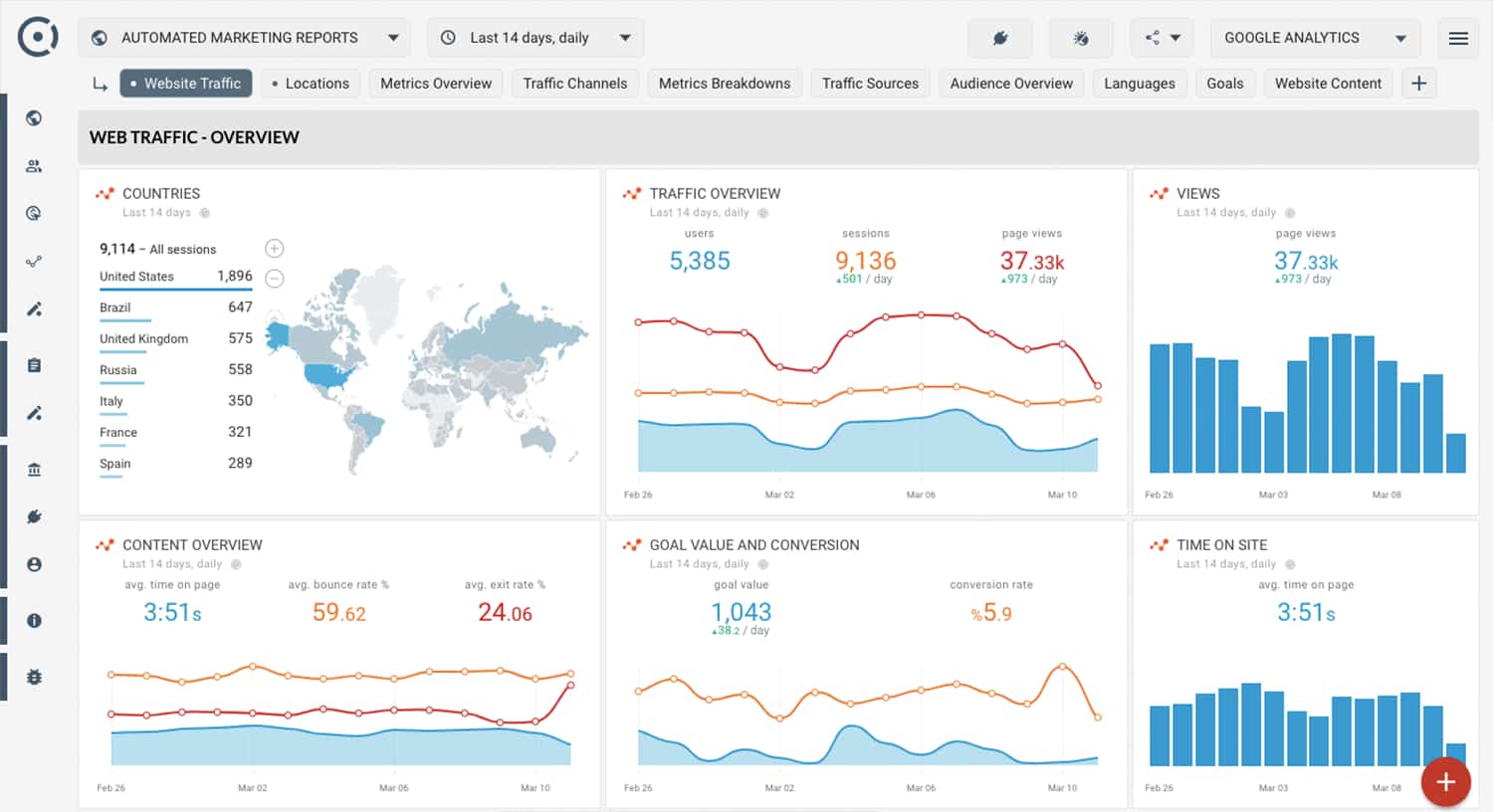
Google Analytics is one of the most widely used web analytics tools globally. With a free version that offers comprehensive tracking capabilities, it’s suitable for businesses of all sizes. Google Analytics provides user-friendly dashboards, customizable reports, and integration with other Google services.
2. Matomo (formerly Piwik)
Matomo is an open-source analytics platform that gives users full control over their data. It offers features like heatmaps, session recordings, and visitor profiles. Matomo is ideal for businesses that prioritize privacy and data ownership.
3. Adobe Analytics
Adobe Analytics is a premium tool designed for enterprises. It offers advanced features such as predictive analytics, customer journey modeling, and marketing attribution. Its integration with Adobe’s marketing suite makes it a powerful tool for large organizations.
4. Hotjar
Hotjar provides insights into user experience through heatmaps, session recordings, and feedback tools. It’s particularly valuable for understanding user behavior and gathering qualitative data.

5. Crazy Egg
Similar to Hotjar, Crazy Egg offers heatmaps, scroll maps, and A/B testing functionality. It’s user-friendly and great for businesses looking to enhance their conversion rates through detailed behavior analysis.
Choosing the Right Web Analytics Tool
With so many options available, choosing the right web analytics tool can be challenging. Consider the following factors:
- Business Needs: Identify what specific metrics are crucial for your business. Choose a tool that focuses on those metrics.
- Budget: Evaluate your budget and consider whether you prefer a free tool with basic features or a premium option with advanced functionalities.
- Ease of Use: Ensure that the tool you choose has an intuitive interface and provides support and resources for beginners.
- Integration: Look for tools that integrate well with your existing systems, such as your content management system (CMS) and customer relationship management (CRM) solutions.
Best Practices in Using Web Analytics Tools
Once you have selected a tool, it’s essential to use it effectively. Here are some best practices to maximize your web analytics efforts:
- Set Clear Goals: Clearly outline what you want to achieve with your analytics tool. This might include increasing traffic, boosting sales, or enhancing user engagement.
- Regularly Review Data: Analytics should not be a “set and forget” process. Regularly check your data, identify trends, and make informed decisions based on your findings.
- Test Changes: Use A/B testing to analyze the impact of changes to your website. This can provide valuable insights into what works best for your audience.
- Stay Updated: Digital marketing and analytics technologies are constantly evolving. Stay informed about the latest trends and updates to leverage new features that can benefit your business.
Conclusion
Web analytics tools are essential for businesses looking to thrive in a digital landscape. By leveraging data to gain insights into user behavior and website performance, companies can make informed strategic decisions. Whether you choose Google Analytics, Matomo, or any other tool, the key lies in understanding the data and using it to enhance your online presence. Remember to regularly review your analytics data, set clear goals, and adapt your strategies as needed to ensure continued success.