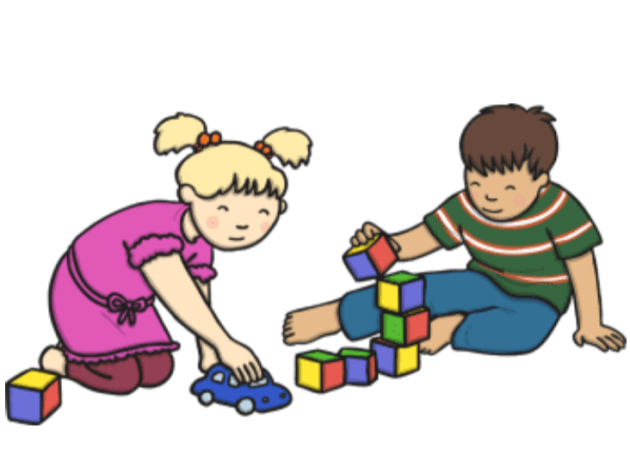
The Importance of Play: Nurturing Creativity and Lifelong Learning
Play serves as a critical element in human development, particularly during childhood. Engaging in play not only enables young individuals to explore their surroundings but also serves as a foundational activity for emotional, cognitive, and social growth. Programs like Chicken Road play illustrate how structured activities can encourage children to express themselves creatively while also fostering communication skills and teamwork. In this article, we delve into the various dimensions of play and its profound implications for both children and adults alike.

Understanding Play: Beyond Fun and Games
At its core, play is an activity that is inherently enjoyable and often spontaneous. However, its significance extends beyond mere enjoyment. Research shows that play is a crucial avenue for learning, allowing individuals to acquire new skills, experiment with different roles, and
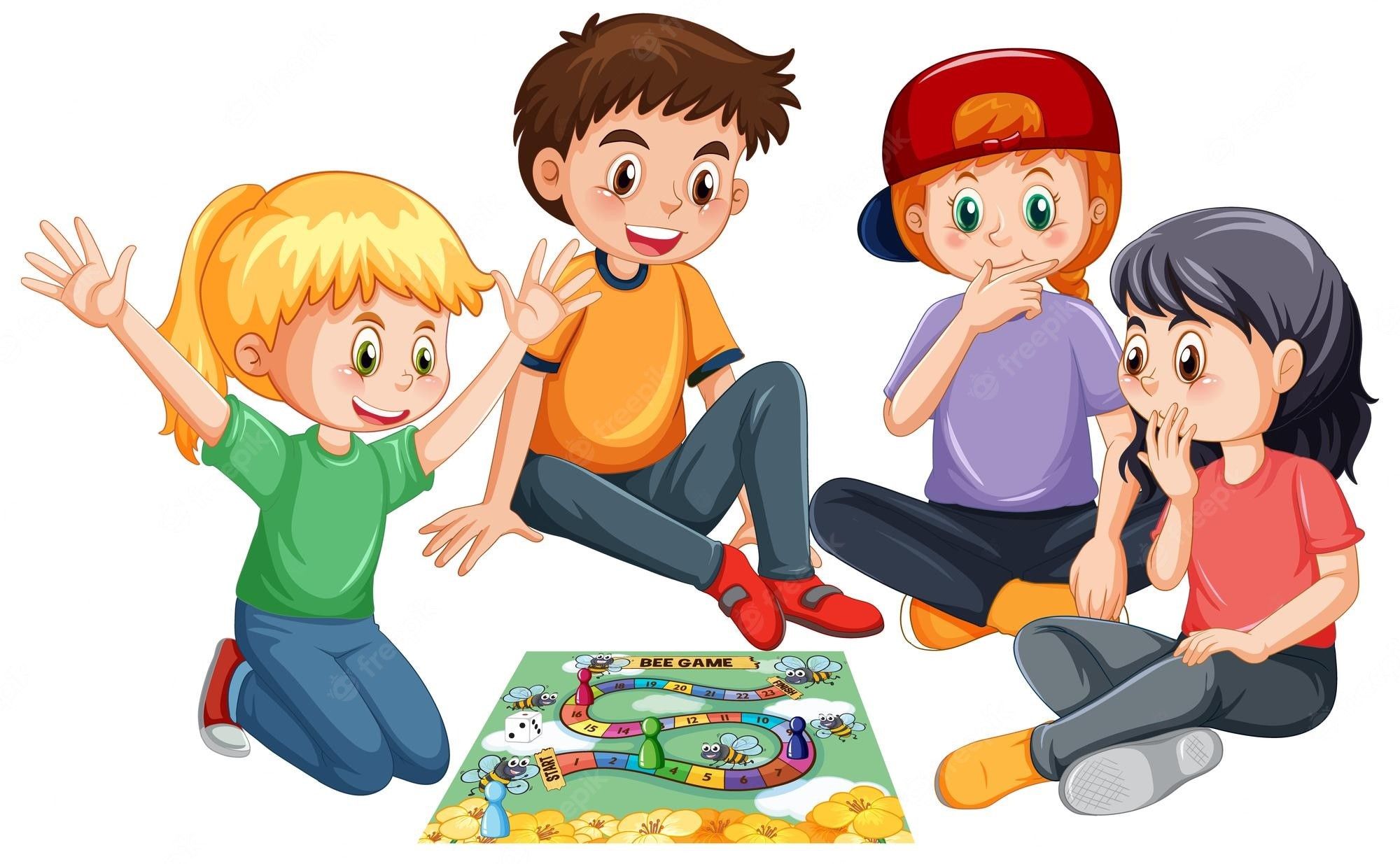
navigate complex social dynamics. For children, play can take many forms, including solitary play, parallel play, associative play, and cooperative play, each contributing uniquely to their developmental milestones.
The Role of Play in Child Development
Childhood is a formative time in an individual’s life, and play profoundly influences various developmental domains:
- Cognitive Development: Engaging in play stimulates curiosity and promotes critical thinking. Children learn to solve problems, make decisions, and think creatively through play scenarios.
- Emotional Development: Play provides a safe space for children to express their emotions, manage their feelings, and understand empathy. Role-playing different scenarios can also help children develop emotional resilience.
- Social Skills: Interacting with peers during play helps children learn essential social cues, cooperation, and conflict resolution. Therefore, play acts as a practice ground for social interactions.
- Physical Development: Many forms of play involve physical activity, which is key to developing motor skills and overall physical health. Climbing, running, and even pretend play can enhance coordination and strength.
The Evolving Nature of Play
While the fundamental benefits of play remain constant, the ways in which children engage in play have evolved significantly, especially in the digital age. Today, play can occur through various mediums, including digital gaming, imaginative play with toys, structured sports, and outdoor exploration. Each form of play offers unique learning experiences, so it is crucial to provide a balance of opportunities for children.
Encouraging Play in Educational Settings
Integrating play into educational environments has gained traction in recent years. Educational experts emphasize the value of play-based learning, which can enhance children’s engagement and retention of information. Here are some strategies for incorporating play into education:
- Play-Based Curriculum: Implementing a curriculum that focuses on exploratory learning through play, allowing children to discover concepts through hands-on experiences.
- Incorporating Play into Routine: Creating a classroom environment that encourages spontaneous play, whether through designated play areas or activities that involve movement and creativity.
- Role-Playing: Utilizing role-playing activities to teach various subjects, from history to science, can help students understand different perspectives and engage with content more deeply.
- Outdoor Play: Encouraging outdoor activities that foster creativity, exploration, and physical health is vital for balanced development.
The Impact of Play on Adults
While play is often associated with childhood, its benefits extend well into adulthood. Engaging in play-like activities can have numerous positive effects on adults, including greater creativity, reduced stress, and improved social relationships. Here are a few ways adults can incorporate play into their lives:
- Hobbies: Engaging in hobbies that allow for creative expression, such as arts and crafts, cooking, or writing, fosters a sense of joy and fulfillment.
- Physical Activities: Participating in sports or recreational activities can provide a fun outlet for physical exercise and social interaction.
- Games: Board games, video games, and puzzles provide opportunities for strategy, connection with others, and enjoyment.
- Mindfulness and Improv: Activities like improvisation or playful mindfulness exercises foster creativity and relaxation, helping to reduce the stress of daily life.
In Conclusion
Play is a fundamental human experience that transcends age. Whether in early childhood or adulthood, engaging in playful activities nurtures creativity, emotional growth, and social skills. As we strive to create environments where play is valued and encouraged, we can cultivate a culture that prioritizes lifelong learning and creativity. In today’s fast-paced world, remembering the importance of play and incorporating it into both our personal and professional lives can offer invaluable benefits.
As we consider the vital role of play, whether through structured initiatives like Chicken Road play or spontaneous activities, let us not underestimate the power of play in shaping individuals and communities alike. In the end, embracing play is not merely a luxury; it is an essential ingredient for a fulfilled and balanced life.