The India-UAE Extradition Treaty: Strengthening Bilateral Ties
The India-UAE extradition treaty represents a significant milestone in international cooperation in legal matters. By formalizing the process through which individuals can be extradited from the UAE to India and vice versa, this treaty aims to enhance the effectiveness of law enforcement in both countries. You can find additional insights into the treaty India UAE extradition treaty https://helpageusa.org/articles/india-uae-extradition-treaty-explained.html.

Background of the Treaty
Extradition is the formal process by which one country surrenders a suspected or convicted criminal to another country. The need for a robust extradition framework between India and the UAE has been underscored by the growing economic ties and the increasing number of Indian expatriates living in the UAE. Historically, the absence of a formal treaty between the two nations posed challenges in addressing crimes that spanned international borders.
Signing of the Treaty
The India-UAE extradition treaty was signed in January 2022 during the visit of India’s Prime Minister to the UAE. This came as a part of broader discussions aimed at enhancing cooperation between the two nations in areas such as trade, security, and counter-terrorism. The treaty reflects a renewed commitment by both countries to work together in fighting crime and ensuring that justice is served.
Key Provisions of the Treaty
The treaty lays out several key provisions that help define the extradition process. These include:
- Extraditable Offenses: The treaty specifies the types of crimes for which extradition can be granted. These typically include serious offences such as murder, human trafficking, drug trafficking, and other crimes that impact security and public order.
- Legal Framework: Both countries will follow their domestic laws when processing extradition requests, ensuring that due process is observed.
- Non-Extradition Clauses: Certain circumstances may restrict extradition. For instance, if an individual is facing the death penalty or if there are concerns about political persecution, the extradition request may be denied.
Implications for India
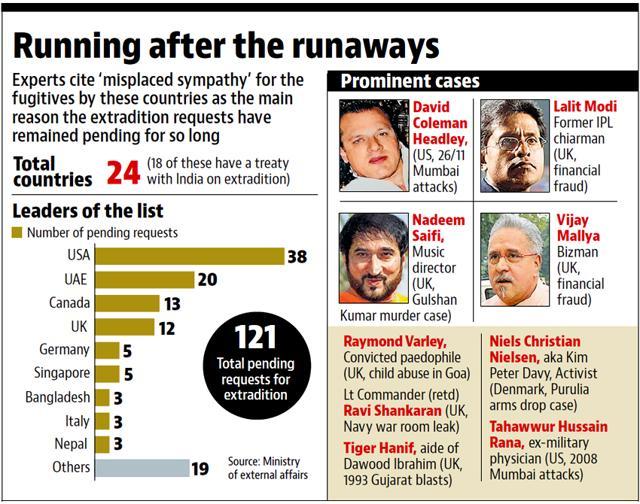
For India, the treaty represents a significant step forward in its efforts to combat crime, particularly organized crime, corruption, and terrorism. Indian authorities have expressed optimism that the treaty will facilitate the return of several high-profile fugitives who have sought refuge in the UAE. These mutual commitments reinforce India’s position on global crime-fighting and its collaborative approach to international justice.
Implications for the UAE
For the UAE, the extradition treaty not only strengthens its ties with India but also enhances its reputation as a cooperative partner in international law enforcement. The presence of a large Indian expatriate community in the UAE necessitates a dependable legal framework to address issues of crime and ensure public safety. This treaty acts as an assurance to Indian nationals living in the UAE that their government can act to address criminal activities effectively.
Challenges Ahead
While the treaty is a positive development, several challenges remain. Differences in legal systems, potential human rights concerns, and the need for mutual legal assistance may complicate the implementation of the treaty. Moreover, both nations will need to develop efficient mechanisms to process extradition requests in a timely manner while respecting the legal rights of the accused.
Looking Ahead
As the world becomes increasingly interconnected, treaties such as the India-UAE extradition agreement play a crucial role in facilitating international cooperation in fighting crime. The success of this treaty will depend on the willingness of both nations to work together to overcome challenges and ensure that justice prevails.

In conclusion, the India-UAE extradition treaty serves as a cornerstone of a stronger bilateral relationship, fostering mutual trust and collaboration in addressing pressing global issues such as terrorism and organized crime. Through this agreement, both countries are poised to strengthen their legal cooperation in the years to come.